The term Nativität carries a rich history and diverse meaning across language, culture, and tradition. From its linguistic origins to its role in astrology and religious symbolism, it represents more than just a simple concept of birth—it bridges ideas of personal beginnings, cosmic alignment, and cultural storytelling. On Vista News, we explore these layers in an approachable, insightful way.
Nativität: Key Facts and Overview
| Attribute | Details |
|---|---|
| Term | Nativität |
| Origin / Etymology | Derived from Latin nativitas, meaning “birth” or “origin” |
| Language | German (related to English “Nativity”) |
| Primary Meanings | 1. Birth / moment of birth 2. Astrology: birth chart (natal chart) 3. Religious/Cultural: birth of Jesus Christ |
| Astrological Significance | Represents the positions of planets and stars at the time of birth; used for personality insights and life path analysis |
| Religious / Cultural Significance | Refers to the birth of Jesus Christ; inspires nativity scenes, plays, and seasonal traditions |
| Symbolism | Origin, potential, hope, humility, new beginnings, and personal or societal reflection |
| Modern Relevance | Astrology consultations, Christmas celebrations, philosophical reflections on beginnings and potential |
| Visual Representations | Birth charts, nativity scenes (crèches), religious art, nativity plays |
| Associated Blog Mention | Vista News explores Nativität in cultural, astrological, and symbolic contexts |
Origins and Linguistic Roots of Nativität
Nativität originates from the Latin word nativitas, which directly translates to “birth” or “origin.” Over centuries, the term has evolved within German-speaking contexts to encompass both everyday and specialized meanings.
In general German usage, Nativität can refer to the moment of birth itself, highlighting the idea of beginnings and new life. It’s a word that historically also found use in demographic or statistical discussions, reflecting the rate of births in a population.
In modern times, however, the term has specialized meanings that extend into astrology and, by translation into English, religious and cultural narratives. These multiple layers show how a single word can carry both literal and symbolic weight.
Conceptually, think of it like the roots of a tree. The tree itself may grow and flourish in many directions, but the roots—like the idea of Nativität—ground it, anchoring its identity and meaning in origin.
Nativität in Astrology: The Birth Chart Connection
One of the most fascinating uses of Nativität appears in astrology. Here, it denotes the birth chart or natal chart, a representation of the planets and stars at the exact moment a person is born. Astrologers believe that these positions can influence personality traits, tendencies, and life paths.
In practice, a Nativität chart includes the placement of the sun, moon, and planets across twelve zodiac signs, and it divides the sky into twelve houses, each corresponding to areas of life like relationships, career, and personal growth.
For instance, imagine two friends born at the same hour but in different locations. Their charts will differ because the position of the celestial bodies changes with geography. This concept illustrates how Nativität charts are individualized, reflecting both cosmic timing and earthly coordinates.
While astrology may not be scientifically conclusive, its use of Nativität demonstrates the human desire to connect personal beginnings with larger patterns in the universe. It’s a symbolic bridge between birth and potential, structure and possibility.
Religious and Cultural Dimensions
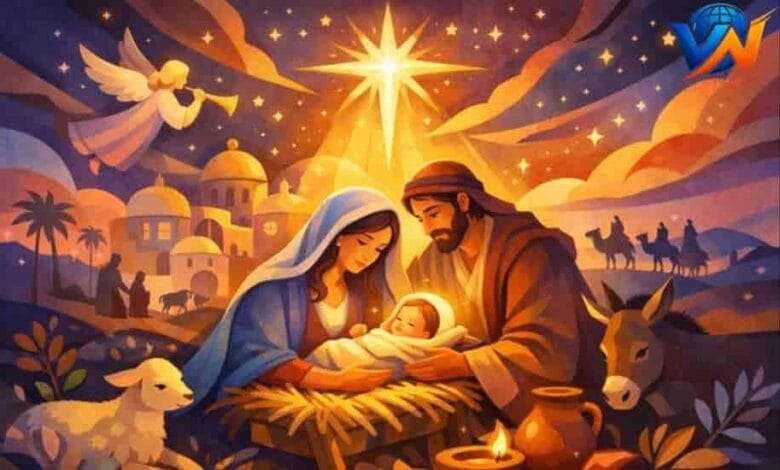
Beyond astrology, Nativität takes on a deeply symbolic meaning in Christian traditions. In this context, it is closely associated with the birth of Jesus Christ, often celebrated during Christmas. The story recounts Mary and Joseph traveling to Bethlehem, culminating in Jesus’s birth in humble surroundings.
This narrative has inspired countless cultural expressions, including:
- Nativity scenes (crèches): Artistic representations of the birth, ranging from small figurines to elaborate displays that capture every detail of the scene.
- Nativity plays: Dramatic reenactments performed in communities to celebrate the story, often including music, storytelling, and costumes.
- Music and art: From carols to paintings, the Nativität has inspired creative works that communicate themes of hope, humility, and universal belonging.
These cultural traditions underline the human tendency to attach meaning to beginnings. By creating visual and performative expressions of Nativität, communities celebrate not just the birth itself, but what it represents: renewal, hope, and shared values.
A helpful way to visualize this is to think of a tapestry. Each thread—the stars, the figures in a scene, the storytelling elements—intertwines to create a larger picture of meaning and continuity, where individual beginnings contribute to collective identity.
Nativität as a Symbol of Personal and Societal Reflection
Whether in astrology or religious practice, Nativität reflects more than the act of being born. It symbolizes potential, origin, and connection. In astrology, the birth chart serves as a mirror, encouraging self-reflection and exploration. In cultural and religious contexts, nativity scenes and stories reinforce values, memory, and tradition.
On a societal level, thinking about Nativität can illuminate patterns of growth and change. For example, just as a birth chart maps personal tendencies, demographic studies of birth rates can provide insights into societal trends. Although these are very different approaches—one symbolic, one statistical—they both use the concept of origin to understand what comes next.
In daily life, Nativität reminds us that beginnings carry weight. Even small moments—like a first day at a new job, the launch of a project, or the start of a relationship—have the potential to influence the course of future events. Viewing these moments through the lens of Nativität, whether literally or symbolically, can provide perspective and meaning.
Nativität in Modern Practice and Everyday Reflection
Today, Nativität continues to be relevant in several areas:
- Astrological consultation: People increasingly explore their Nativität charts to gain insight into personal growth, relationships, and career paths.
- Cultural celebration: Christmas traditions continue to honor the Nativity story through decorations, storytelling, and music.
- Philosophical reflection: The concept encourages thinking about beginnings, purpose, and potential, whether for individuals or communities.
From a broader perspective, Nativität can be viewed as a universal metaphor: every beginning, no matter how small, holds a story and an influence that ripples outward. It invites reflection on the cycles of life, the patterns of growth, and the connections between individual moments and larger systems.
On Vista News, exploring Nativität offers a way to engage with both personal and cultural history, blending knowledge, symbolism, and reflection in a manner that resonates across generations.
Conclusion
Nativität is more than just a term for birth. It spans linguistic history, astrological insight, religious and cultural symbolism, and societal reflection. From personalized birth charts to global Nativity traditions, it highlights the importance of beginnings—both literal and metaphorical.
By appreciating the multiple dimensions of Nativität, we gain perspective on our own lives and the world around us. Whether in astrology, religious practice, or personal reflection, it reminds us that every start carries potential, significance, and connection.
Frequently Asked Questions About Nativität
1. What does Nativität mean?
Nativität is a German term derived from Latin nativitas, meaning “birth” or “origin.” It can refer to a person’s birth, an astrological birth chart, or the religious birth of Jesus Christ.
2. How is Nativität used in astrology?
In astrology, Nativität represents a person’s birth chart, showing the positions of planets and stars at the exact time of birth. This chart is used to gain insight into personality traits, tendencies, and potential life paths.
3. What is the connection between Nativität and Christmas?
Nativität in a religious context refers to the birth of Jesus Christ, celebrated during Christmas. It inspires nativity scenes, plays, music, and cultural traditions worldwide.
4. What does Nativität symbolize?
Nativität symbolizes new beginnings, hope, potential, and humility. It can also represent personal reflection, growth, and the importance of origins in cultural or societal contexts.
5. Why is Nativität still relevant today?
Today, Nativität remains relevant in astrology, religious celebrations, and philosophical reflection. It encourages exploration of personal identity, cultural heritage, and the significance of beginnings in life.