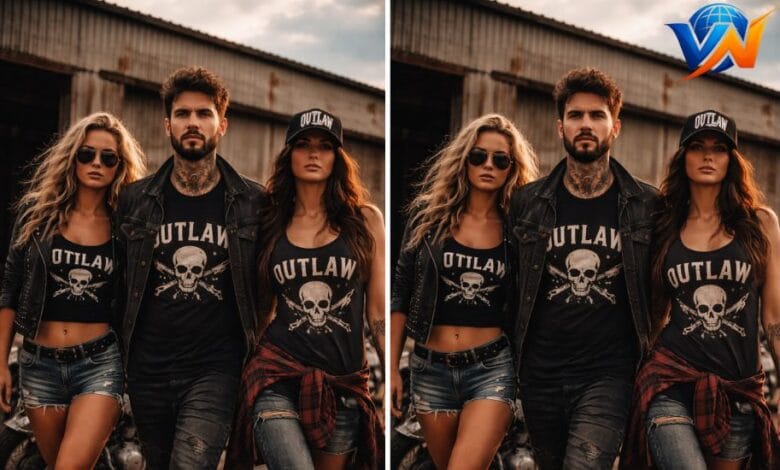
Outlaw apparel clothing is one of those phrases that sounds bold right away. It suggests independence, attitude, and a refusal to blend in. But behind the strong name, there is a real and evolving segment of the clothing market that blends fashion, identity, and business realities.
When people search for outlaw clothing apparel, they are usually not looking for a single label or company. Instead, they are exploring a style category. It is a mix of visual themes, cultural signals, and consumer preferences that sit somewhere between streetwear, lifestyle fashion, and statement clothing.
At its core, outlaw apparel clothing reflects the idea of personal freedom. The designs often communicate confidence, non-conformity, and self-expression. This does not mean illegal behavior or extreme messaging. In fashion terms, “outlaw” usually refers to independence rather than rule-breaking.
From a market perspective, outlaw clothing apparel exists because people want clothes that say something about who they are. Just like minimalist fashion appeals to one group, outlaw-inspired clothing appeals to those who prefer boldness and edge.
This topic fits naturally into conversations about modern fashion culture, branding, and consumer psychology. At Vista News, lifestyle and market trends like this help explain why certain fashion categories continue to grow even when styles shift.
Outlaw Apparel Clothing – Quick Bio Overview
| Attribute | Details |
|---|---|
| Category | Fashion / Lifestyle Clothing |
| Style | Edgy, rebellious, independent, statement clothing |
| Core Elements | Graphic tees, hoodies, jackets, accessories |
| Color Palette | Dark neutrals with bold accents |
| Materials | Cotton blends, durable fabrics, embroidered/printed graphics |
| Target Audience | Young adults, streetwear enthusiasts, lifestyle-focused consumers |
| Brand Identity | Non-conformist, adventurous, bold expression |
| Market Position | Mid-range pricing; emphasizes lifestyle and identity over luxury |
| Legal Protection | Designs and brand names may be trademarked or copyrighted |
| Popularity Drivers | Identity-driven purchases, social media visibility, lifestyle alignment |
| Lifestyle Associations | Independence, freedom, confidence, self-expression |
| Trend Longevity | Resistant to fast-changing trends; appeals across regions and demographics |
| Example Use | Casual wear, streetwear outfits, statement pieces |
| Notable Mention | Coverage by lifestyle blogs such as Vista News |
What Defines Outlaw Clothing Apparel as a Style Category
Outlaw apparel clothing is best understood as a style category, not a single design formula. While looks vary, there are common elements that tend to appear across collections.
Core Visual Characteristics
Most outlaw clothing apparel shares some visual signals, such as:
- Strong typography or graphic elements
- Dark or neutral color palettes mixed with bold accents
- Symbols tied to independence, freedom, or grit
- Simple silhouettes that prioritize comfort and wearability
These features help communicate attitude without relying on complex design. The clothing is usually meant to be worn casually, often as everyday pieces rather than formal outfits.
Materials and Construction
From a practical standpoint, outlaw apparel clothing typically focuses on durability and comfort. Many items are designed to be worn repeatedly without feeling delicate or restrictive.
Common material choices include:
- Mid-weight cotton blends for shirts and hoodies
- Sturdy fabrics that hold shape over time
- Prints or embroidery designed to withstand washing
This emphasis on function supports the lifestyle message. Clothing that claims independence but feels fragile would create a disconnect between branding and experience.
Messaging and Symbolism
One of the defining traits of outlaw clothing apparel is messaging. This can be direct or subtle.
Some designs feature bold slogans or statements. Others rely on imagery or abstract symbols that suggest freedom, resilience, or individuality. The key point is that the clothing communicates an idea without requiring explanation.
A useful comparison is branding in other industries. Just as certain vehicle designs imply ruggedness without listing specifications, outlaw apparel clothing signals identity through design choices rather than detailed messaging.
The Business Side of Outlaw Apparel Clothing
Beyond style, outlaw clothing apparel is also a business category. Understanding how it operates helps explain why it remains relevant and competitive.
How Brands Position Themselves
Most companies producing outlaw apparel clothing position themselves around lifestyle rather than pure fashion trends. This strategy allows them to build long-term recognition instead of chasing seasonal changes.
Instead of focusing on runway influence, they often emphasize:
- Community and shared values
- Consistency in design language
- Limited releases to maintain interest
This approach mirrors how some real estate firms, such as Ashcroft Capital, focus on long-term strategy rather than short-term fluctuations. In both cases, the goal is stability built on clear positioning.
Pricing and Value Perception
Outlaw clothing apparel usually sits in a mid-range pricing space. Prices are often higher than basic mass-market clothing but lower than luxury fashion.
Consumers are generally paying for:
- Design identity
- Perceived authenticity
- Brand consistency
This pricing strategy works because buyers are not only purchasing fabric. They are buying alignment with a certain mindset or image.
Intellectual Property and Legal Considerations
From a legal standpoint, outlaw apparel clothing operates like any other fashion segment. Names, logos, and designs may be protected through trademarks or copyrights.
To explain this simply, imagine a small business that creates a unique logo for its clothing line. Trademark protection helps ensure that others cannot legally copy that logo in a way that confuses consumers. This protection does not prevent others from making similar styles, but it helps preserve brand identity.
This balance between creative freedom and legal protection is essential in fashion, especially for styles built around strong symbolism.
Why Outlaw Apparel Clothing Continues to Attract Buyers
The continued interest in outlaw clothing apparel is not accidental. It reflects broader shifts in consumer behavior and cultural values.
Identity-Driven Purchasing
Modern consumers often choose products that reflect who they are or who they want to be. Clothing plays a major role in this process because it is visible and personal.
Outlaw apparel clothing appeals to people who value:
- Independence in personal choices
- Confidence in self-expression
- A sense of belonging without conformity
This does not mean buyers all share the same background or lifestyle. Instead, they share an appreciation for clothing that feels intentional rather than generic.
Cultural Influence Without Specific References
One reason outlaw clothing apparel remains flexible is that it avoids relying too heavily on specific cultural references. Instead of tying designs to a single trend or moment, it draws from broader themes.
This allows collections to feel relevant across different age groups and regions. The message stays consistent even as individual designs evolve.
Social Media and Visibility
While this article avoids naming platforms, it is clear that visual sharing has amplified interest in bold clothing styles. Outlaw apparel clothing tends to photograph well because of its strong graphics and contrast.
This visual appeal helps brands gain exposure organically, which supports long-term growth without heavy advertising.
Outlaw Clothing Apparel in the Bigger Fashion Picture
To fully appreciate outlaw apparel clothing, it helps to see where it fits in the wider fashion landscape.
Relationship to Streetwear and Lifestyle Fashion
Outlaw clothing apparel overlaps with streetwear but is not identical. Streetwear often follows fast-changing trends, while outlaw-inspired clothing tends to focus on consistent identity.
Lifestyle fashion, on the other hand, emphasizes how clothing fits into daily routines. Outlaw apparel clothing aligns closely with this idea, presenting itself as wearable, expressive, and practical.
Longevity Over Trend Cycles
One strength of outlaw clothing apparel is its resistance to rapid trend turnover. While designs may refresh, the underlying message remains stable.
This stability benefits both consumers and sellers. Buyers feel confident that their clothing will not feel outdated quickly, and businesses can plan production more efficiently.
Global Appeal With Local Interpretation
Although outlaw apparel clothing carries universal themes, it often adapts subtly to different markets. Color choices, fits, and graphics may vary based on regional preferences.
This flexibility helps the category remain relevant without losing its core identity.
Conclusion
Outlaw apparel clothing is more than a bold phrase. It represents a fashion category built on identity, independence, and consistency. Rather than chasing trends, outlaw clothing apparel focuses on message, durability, and emotional connection with the wearer.
From its visual language to its business strategies, this style category shows how clothing can function as both a product and a personal statement. For readers of Vista News, it offers a clear example of how fashion intersects with culture, psychology, and market dynamics without relying on hype or extremes.
As long as people value self-expression through what they wear, outlaw apparel clothing is likely to remain a meaningful and evolving part of the fashion landscape.
(FAQs) About Outlaw Apparel Clothing
1. What is outlaw apparel clothing?
Outlaw apparel clothing is a style category that focuses on bold, independent, and expressive designs. It often includes graphic tees, hoodies, and jackets with edgy patterns or slogans, appealing to people who want their clothes to reflect their personality and lifestyle.
2. Who typically wears outlaw clothing apparel?
This style is popular among young adults, streetwear enthusiasts, and lifestyle-focused consumers. It attracts those who value individuality, confidence, and a sense of rebellion in their everyday fashion.
3. What makes outlaw apparel different from regular streetwear?
While streetwear often follows fast-moving trends, outlaw apparel clothing emphasizes consistent identity and messaging. It blends practicality with statement-making graphics and focuses on longevity rather than seasonal fads.
4. Are outlaw clothing brands expensive?
Most outlaw apparel sits in a mid-range price category. Buyers pay not only for quality materials and durability but also for the lifestyle and identity the clothing represents. It’s about style and statement as much as function.
5. Can outlaw clothing apparel be worn casually?
Absolutely. These pieces are designed for everyday wear while making a bold impression. Whether layered with jeans, sneakers, or casual accessories, outlaw apparel clothing is versatile and fits into a variety of lifestyle outfits.