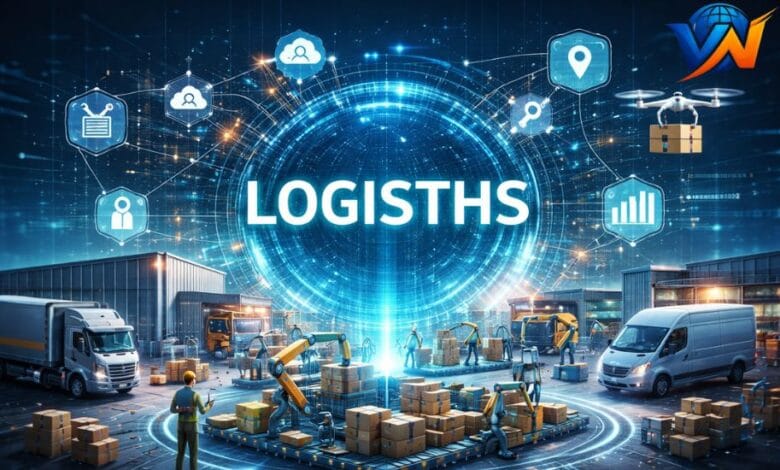
In today’s fast-moving world, logistics isn’t just about moving goods from one place to another. There’s a new concept emerging in industry discussions—logisths. While the term is still relatively fresh, it’s gaining traction as businesses, tech innovators, and financial analysts explore smarter, more efficient ways to manage supply chains. In simple terms, logisths represents the merging of traditional logistics with modern technology, intelligent planning, and data-driven strategies.
Vista News has been following this evolving trend, and in this piece, we’ll explore what logisths means, why it matters, and how companies like Ashcroft Capital and others are thinking about integrating these ideas.
Logisths: Key Facts and Overview
| Attribute | Description |
|---|---|
| Term | Logisths |
| Origin | Derived from “logistics,” emerging as a tech-enabled, intelligent approach to supply chain management |
| Definition | Integration of traditional logistics with AI, IoT, predictive analytics, automation, and real-time data for smarter operations |
| Core Elements | – AI & machine learning – Real-time monitoring (IoT) – Automation & robotics – Predictive analytics – Sustainability-focused operations |
| Applications | – Retail and e-commerce supply chain optimization – Emergency and disaster logistics – Warehouse and inventory management – Financial and operational forecasting |
| Benefits | – Increased efficiency – Reduced costs – Enhanced risk management – Better transparency and visibility – Sustainable, eco-friendly operations |
| Challenges | – Implementation cost – Data security & privacy – Integration with legacy systems – Need for skilled professionals |
| Future Trends | – Mainstream adoption of smart logistics – Global collaboration platforms – Greater sustainability initiatives – Demand for logisths specialists |
| Relevance to Investors | Enables precise financial forecasting, risk reduction, and operational efficiency, appealing to investors like Ashcroft Capital |
| Industry Impact | Reshapes traditional logistics into a proactive, intelligent, and data-driven approach, improving competitiveness and adaptability |
What Are Logisths and Why They Matter
The word logisths is derived from logistics but carries a broader, more tech-centric meaning. Think of it as logistics 2.0—an approach that combines traditional supply chain principles with real-time data, artificial intelligence, and predictive planning. It’s a philosophy as much as it is a practical method.
Key elements of logisths include:
- Integration of Technology: Using AI, machine learning, and IoT to optimize routes, warehouse management, and inventory control.
- Predictive Analytics: Anticipating supply chain disruptions before they occur and adjusting plans dynamically.
- End-to-End Visibility: Having a full view of the supply chain from manufacturing to delivery, ensuring transparency and better decision-making.
- Sustainability Focus: Streamlining operations to reduce waste, lower emissions, and create more eco-friendly supply chains.
To imagine this, picture a logistics manager in the traditional sense. They plan shipments, track stock, and coordinate deliveries. A logisths professional does all this but also leverages AI to predict delays due to weather, demand fluctuations, or transportation issues. It’s like having a chessboard in front of you, seeing multiple moves ahead.
Also Read : What is Cilkizmiz24? A Clear Look at the Digital Buzz
How Logisths Is Changing Business Operations
The rise of logisths is not just a tech trend—it’s reshaping how businesses operate and compete. Companies are realizing that smarter logistics directly impact profitability, customer satisfaction, and market responsiveness.
1. Operational Efficiency
One of the most tangible benefits of logisths is improved operational efficiency. By using smart algorithms to route deliveries, optimize warehouse layouts, and forecast demand, businesses can cut unnecessary costs.
For example:
- Instead of shipping products individually from various warehouses, predictive tools can consolidate shipments based on location and delivery speed.
- Inventory levels are continuously monitored, reducing overstocking or stockouts.
- Labor is allocated more effectively, with automated systems handling repetitive tasks.
In practice, this means a company can fulfill orders faster and at a lower cost, without sacrificing reliability.
2. Risk Management and Resilience
Supply chains are inherently vulnerable to disruptions—from natural disasters to transportation delays or sudden demand spikes. Logisths introduces risk-aware planning by using predictive models and simulations.
Consider a company facing potential shipment delays due to a winter storm. A logisths system can:
- Identify alternative routes in advance
- Alert warehouses to adjust inventory
- Suggest priority orders for urgent clients
The result is a more resilient supply chain that can absorb shocks without major disruptions. For businesses and investors alike, this reduces financial uncertainty and builds trust with customers.
3. Sustainability and Cost Control
Modern consumers increasingly expect companies to act responsibly. Logisths supports sustainable logistics by:
- Reducing carbon emissions through optimized transportation
- Minimizing packaging waste through precise inventory management
- Lowering fuel and energy consumption with predictive route planning
Beyond environmental benefits, these measures also save money. Less waste, fewer delays, and more efficient operations all contribute to improved bottom lines, making companies more appealing to investors such as Ashcroft Capital.
Also Read : gbrew72: What the Term Means, How It’s Used, and Why It Keeps Appearing Online
The Technology Behind Logisths
Technology is at the heart of logisths. Traditional logistics relied heavily on manual planning, spreadsheets, and human judgment. Logisths, by contrast, leverages intelligent systems to make logistics smarter, faster, and more adaptable.
AI and Machine Learning
Artificial intelligence is critical. Machine learning algorithms analyze historical data, predict demand trends, and adjust operations accordingly.
For instance:
- AI can forecast which products are likely to be in high demand in certain regions and automatically suggest production adjustments.
- Learning systems identify inefficiencies in shipping routes and recommend optimizations.
IoT and Real-Time Monitoring
The Internet of Things (IoT) enables real-time visibility. Sensors on vehicles, pallets, and storage facilities track temperature, location, and condition of goods.
- For perishable products, this ensures quality is maintained during transport.
- Alerts can be triggered if shipments deviate from planned routes or conditions.
This combination of data collection and immediate feedback allows companies to respond proactively rather than reactively.
Automation and Robotics
Automation complements logisths by handling repetitive tasks:
- Warehouse robots pick and pack orders with precision
- Drones or automated vehicles deliver products efficiently in some markets
- Software bots manage scheduling, invoicing, and reporting
The human workforce can then focus on strategic decision-making rather than routine tasks, enhancing overall productivity.
Also Read : MyBettingEdge: A Smarter Approach to Sports Betting
Logisths in Action: Conceptual Examples
Sometimes abstract ideas are easier to understand with practical examples. While these are hypothetical, they illustrate how logisths can reshape operations:
Example 1: Retail Supply Chain
Imagine a chain of stores across multiple cities. Traditionally, each store forecasts demand independently, often leading to surplus or shortages. A logisths approach uses AI to aggregate demand patterns, optimize warehouse locations, and schedule shipments automatically. The result? Reduced waste, better stock availability, and lower transportation costs.
Example 2: Emergency Response Logistics
Consider a humanitarian organization responding to a natural disaster. Time is critical. Using logisths, planners simulate multiple delivery scenarios, track real-time conditions on the ground, and deploy resources efficiently. Relief supplies reach affected areas faster, and logistical bottlenecks are minimized.
Example 3: Financial Impact Analysis
From a financial perspective, logisths allows companies to quantify savings and predict costs more accurately. Investors, including institutional ones like Ashcroft Capital, can better assess the risk and return of supporting companies that adopt advanced logistics systems.
Also Read : Latest News MyGreenBucks.net – Complete Review, Updates & Honest Reality (2026)
Challenges and Considerations
While the potential of logisths is significant, there are challenges to consider:
- Implementation Costs: Advanced technologies and training can be expensive upfront. Small businesses may need phased approaches.
- Data Security: Real-time systems generate huge volumes of sensitive data. Protecting this information is critical.
- Integration Complexity: Combining new tools with legacy systems can be difficult, requiring careful planning.
- Human Factors: While automation reduces repetitive tasks, human oversight is still necessary for judgment calls and strategy.
Balancing these considerations ensures that the shift to logisths is sustainable, cost-effective, and aligned with long-term business goals.
Also Read : Winkelbohrspindel: What It Is and Why It Matters in Modern Machining
The Future of Logisths
Looking ahead, the concept of logisths is likely to become more mainstream. Some potential trends include:
- Standardization of Smart Logistics Practices: As more companies adopt AI-driven supply chains, best practices will become codified.
- Global Collaboration Platforms: Real-time logistics networks connecting multiple organizations could optimize resources across borders.
- Sustainable Innovation: Pressure from consumers and investors will push companies to adopt eco-friendly logistics solutions.
- Professional Development: Logisths specialists who combine logistics knowledge with data analytics and tech skills will be in high demand.
For businesses following Vista News and investors like Ashcroft Capital, staying informed about these trends will be crucial to remain competitive in a rapidly evolving market.
Also Read : iCostamp: How Digital Timestamping and Crypto Analytics Are Shaping Trust
Conclusion
Logisths represents a new frontier in logistics, blending traditional practices with modern technology, predictive analytics, and sustainability. While still an emerging concept, its impact on operational efficiency, risk management, and financial planning is evident. From smarter warehouses to real-time monitoring, companies adopting logisths are better positioned to respond to disruptions, reduce costs, and deliver value to customers and stakeholders.
As the industry evolves, logisths may not just be a term but a standard approach to intelligent supply chain management—a concept businesses, investors, and professionals cannot ignore.
Frequently Asked Questions About Logisths
1. What exactly is logisths?
Answer: Logisths is a modern approach to logistics that combines traditional supply chain methods with technology like AI, IoT, automation, and predictive analytics to create smarter, faster, and more efficient operations.
2. How does logisths differ from traditional logistics?
Answer: Traditional logistics focuses mainly on moving goods from point A to B. Logisths integrates real-time data, predictive planning, and automation, allowing businesses to anticipate disruptions, optimize resources, and improve sustainability.
3. Which industries can benefit most from logisths?
Answer: While applicable across many sectors, logisths is particularly valuable in retail, e-commerce, manufacturing, emergency response, and any supply chain operations where speed, efficiency, and visibility are crucial.
4. What are the main challenges of implementing logisths?
Answer: Key challenges include high implementation costs, integration with existing systems, ensuring data security, and the need for trained personnel capable of managing advanced technology.
5. How does logisths impact business profitability?
Answer: By improving efficiency, reducing waste, minimizing delays, and enabling better forecasting, logisths helps businesses lower costs and enhance customer satisfaction, which can directly boost profits and appeal to investors like Ashcroft Capital.