
The term “solo et” has recently gained attention in multiple contexts, from technology and productivity to language and lifestyle. While it might seem obscure at first, it represents an interesting concept about individuality, efficiency, and self-directed experiences. In this discussion, we’ll explore the different dimensions of solo et, its practical applications, and the cultural relevance it holds today.
Solo ET – BIO Table
| Heading | Details |
|---|---|
| Name / Term | Solo ET |
| Origin | Derived from Latin “solo et” meaning “alone and”; also used in modern tech and lifestyle contexts |
| Definition | Concept emphasizing individual experience, autonomy, and self-directed workflows or lifestyle |
| Context / Usage | 1. Technology & Productivity – Tools for solo work and self-paced learning 2. Enterprise & Automation – AI/automation supporting independent workflows 3. Lifestyle – Personal growth, creativity, mindfulness 4. Language / Academic – Classical Latin phrase usage |
| Key Features | – Focus on independence – Personalized experience – Efficiency in solo tasks – Ability to scale individual effort with tools/automation |
| Benefits | – Improved productivity and focus – Greater autonomy and control – Enhanced personal growth – Flexibility in approach and pacing |
| Challenges | – Potential isolation – Risk of decision fatigue – Limited collaboration input – Learning curve for tools or platforms |
| Applications | – Freelance and creative work – Self-learning platforms – Small business management – Personal mindfulness and reflection practices |
| Cultural Significance | Encourages self-reliance, introspection, and creativity; resonates with modern remote work, digital nomadism, and lifestyle design |
| Example / Analogy | Like a solo traveler managing all aspects of a trip independently, or a freelancer running a full project alone using specialized tools |
What Solo ET Means Today
At its core, solo et reflects the combination of two ideas: working or experiencing something independently, and leveraging tools or approaches designed for single-person use. The term has been interpreted in multiple ways depending on the context:
- Technology and Productivity
In modern tech environments, solo et often refers to tools or systems optimized for a single user. These tools are designed to minimize distractions, enhance focus, and provide autonomy. For instance, a freelance designer might use a software suite that allows them to manage every aspect of a project alone, without relying on collaboration features. Similarly, digital learning platforms can cater to solo learners who progress at their own pace, tailoring experiences to individual needs rather than group workflows. - Enterprise and Automation
Beyond individual tools, some interpretations of solo et extend into enterprise applications. In this sense, solo et represents systems that allow one person to handle complex tasks efficiently with the aid of automation, artificial intelligence, or adaptive workflows. Imagine a manager running a small business using a dashboard that automates reporting, inventory management, and client communication, effectively giving them team-level capabilities while working alone. - Language and Classical Roots
Interestingly, solo et also has roots in classical Latin, meaning “alone and.” It appears in academic and legal contexts to highlight individual contributions, responsibilities, or characteristics in relation to a broader whole. For example, a legal contract might use this phrasing to emphasize that certain obligations are the responsibility of a single party, while still connecting to other joint responsibilities. - Lifestyle and Personal Growth
Outside of tech and language, solo et is sometimes embraced as a lifestyle principle. It emphasizes the value of solitude, self-reflection, and self-sufficiency. Travelers, creatives, and professionals often adopt this mindset to cultivate independence and personal insight. The idea is that focusing on one’s own path can foster clarity, resilience, and creativity.
Across all interpretations, the common theme is individual agency. Whether in technology, language, or lifestyle, solo et encourages approaches where one person can manage, create, or experience something effectively without relying heavily on others.
The Practical Applications of Solo ET
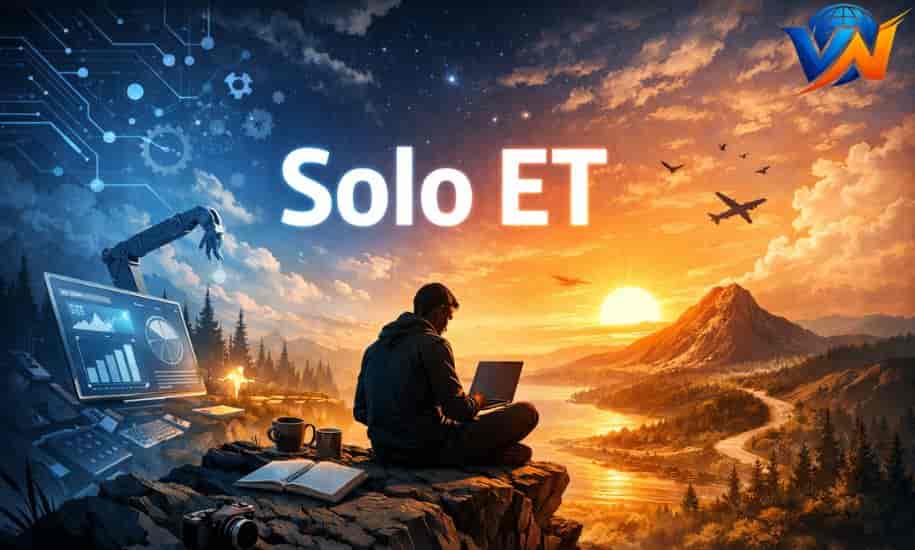
Solo et is not just an abstract concept—it has practical implications across multiple domains. Its value becomes evident when looking at how it enhances efficiency, control, and personal growth.
Technology and Work
Solo et in technology is especially relevant in environments where individual performance matters. Consider the following examples:
- Productivity Tools: Solo et platforms provide distraction-free workspaces. For instance, an author might use software that organizes notes, tracks progress, and suggests edits, all independently.
- Learning Systems: Educational platforms tailored for solo learners allow flexible pacing. Students can revisit lessons, practice skills, and measure progress without relying on group schedules.
- Creative Projects: Musicians, designers, or video creators can leverage solo et platforms that integrate production, editing, and publishing features in a single system.
In essence, solo et solutions are built to maximize individual output while minimizing the overhead of collaboration or team management.
Business and Enterprise
In a business context, solo et systems often incorporate automation and intelligent workflows. For small business owners or solo entrepreneurs, this approach can provide capabilities that traditionally required a team:
- Automated analytics dashboards reduce the need for multiple staff members handling data entry and reporting.
- AI-powered customer service tools allow one operator to manage large volumes of inquiries efficiently.
- Resource management platforms track inventory, orders, and deadlines automatically, helping individuals run operations that would otherwise require multiple employees.
Through these applications, solo et empowers independent professionals to scale their work and maintain oversight without losing control over quality or decision-making.
Personal Development and Lifestyle
Solo et is also applicable to personal life and growth. Its principles encourage self-reliance and intentional time management:
- Creative Pursuits: Solo et allows individuals to focus deeply on hobbies or projects without external distractions.
- Travel and Exploration: Independent travel planning reflects the solo et mindset, offering freedom to explore on one’s own terms.
- Mindfulness and Reflection: Solo et practices, such as journaling or meditation, help cultivate clarity and personal insight, emphasizing the benefits of time spent alone.
These applications highlight how solo et transcends technology and business, influencing the way people structure their lives for efficiency and self-realization.
Key Benefits and Challenges
While solo et offers significant advantages, it is important to consider both benefits and potential limitations.
Benefits
- Focus and Productivity: Solo et minimizes unnecessary collaboration or group distractions, enabling deeper engagement with tasks.
- Autonomy and Control: Individuals retain full authority over decisions, processes, and outcomes.
- Efficiency and Scalability: With automation or integrated systems, one person can achieve outputs that would normally require a team.
- Personal Growth: Embracing solo et fosters self-reliance, confidence, and introspection.
Challenges
- Isolation: Working entirely alone may limit opportunities for collaboration, mentorship, or feedback.
- Resource Limitations: Solo operators may face constraints in time, energy, or skills compared to teams with specialized roles.
- Decision Fatigue: Handling multiple aspects of work or life alone can lead to cognitive overload.
- Learning Curve: Solo et systems, particularly technology-based platforms, may require adaptation and training to use effectively.
Addressing these challenges often involves striking a balance—leveraging solo et for tasks suited to independence while seeking collaboration when collective input enhances outcomes. For instance, a solo entrepreneur might use automated systems to handle routine operations but consult peers for strategic decisions.
Integrating Solo ET Into Daily Life
Applying solo et effectively requires intentional choices and smart integration into everyday routines. Here are some practical approaches:
- Select Appropriate Tools: Identify platforms or systems designed for independent use. Look for features that enhance efficiency without requiring constant team input.
- Balance Autonomy and Collaboration: Use solo et where independence is advantageous, but maintain channels for occasional feedback or partnership.
- Prioritize Tasks: Focus on high-impact activities where solo execution is most effective. Delegate or automate repetitive tasks where possible.
- Monitor Well-Being: Solo et can intensify isolation or pressure. Schedule breaks, social interactions, or reflective practices to maintain balance.
- Continuous Learning: As technology evolves, regularly explore new tools or approaches to enhance solo efficiency and adaptability.
Businesses, creators, and professionals who adopt these strategies can harness the full potential of solo et while mitigating its downsides. Even lifestyle-focused individuals benefit from incorporating solo et principles to cultivate independence, resilience, and clarity.
Conclusion
Solo et is a concept that resonates across multiple domains, from technology and enterprise solutions to lifestyle and personal growth. At its heart, it emphasizes individual agency, focus, and self-sufficiency. Whether used to optimize workflows, foster creativity, or enrich personal experiences, solo et provides a framework for managing complexity independently.
However, solo et is not without its challenges. Effective implementation requires balance, careful tool selection, and attention to well-being. When approached thoughtfully, it can empower individuals to achieve significant results and cultivate meaningful personal growth.
In the rapidly evolving world of technology and lifestyle trends, solo et stands out as a principle that values both efficiency and autonomy. Its applications are wide-ranging, making it a concept that is as practical as it is inspiring. By integrating solo et into daily routines or professional practices, individuals and small business owners can achieve more with focus, independence, and confidence—an approach celebrated in modern discussions by outlets such as Vista News.
FAQs About Solo ET
1. What does Solo ET mean?
Solo ET refers to the concept of working, learning, or experiencing something independently. It can be applied in technology, business, or lifestyle contexts, emphasizing autonomy, focus, and self-directed action.
2. How is Solo ET used in technology?
In tech, Solo ET describes tools and platforms designed for individual users. These can include productivity software, creative suites, or learning platforms that allow someone to manage tasks or projects efficiently without relying on a team.
3. Can Solo ET help in personal growth?
Yes! Solo ET encourages self-reliance, mindfulness, and personal exploration. Practices like journaling, solo travel, or independent creative projects are examples of lifestyle applications that promote focus, clarity, and self-development.
4. What are the benefits of adopting Solo ET?
Key benefits include improved focus, greater autonomy, enhanced efficiency, and personal growth. Individuals can manage complex tasks alone and gain confidence in their abilities while maintaining flexibility.
5. Are there challenges with Solo ET?
While solo work has many advantages, it can also bring challenges such as isolation, decision fatigue, limited collaboration, and learning curves with certain tools. Balancing solo ET with occasional teamwork or feedback is often recommended.